+961

A Lebanese Blog

Category: Travel

  • The Chouf Cedar Reserve: Lebanon’s Living Treasure in the Mountains

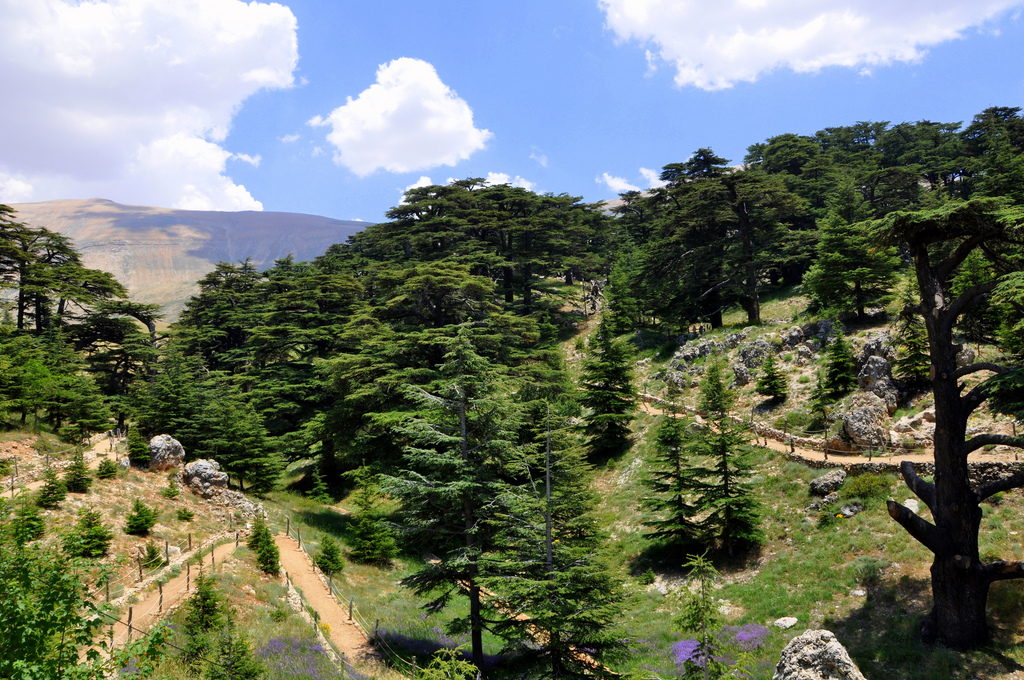
    If there’s one place that captures the soul of Lebanon, it’s the Chouf Cedar Reserve, a sanctuary of ancient trees, crisp mountain air, and timeless heritage. Nestled between the districts of Barouk, Maasser el Chouf, and Ain Zhalta, this reserve isn’t just a natural escape; it’s a piece of our national identity, quietly standing guard over centuries of history.

    A Forest Older Than History Itself

    The Chouf Cedar Reserve is home to around 25% of Lebanon’s remaining cedar forests, making it the largest nature reserve in the country. Some of its trees are believed to be more than 2,000 years old, dating back to the era when Phoenician ships were built using this very wood. These are not just trees, they are silent witnesses to the rise and fall of civilizations, the echo of ancient hymns, and the scent of eternity itself.

    Walking through the reserve, especially in Maasser el Chouf, feels like stepping into another world. The air is cooler, the wind carries the soft hum of nature, and the sight of those massive cedar trunks against the backdrop of snow-tipped mountains is something that humbles even the most city-hardened soul.

    A Model for Eco-Conservation in Lebanon

    Established in 1996, the reserve covers over 550 square kilometers and represents one of Lebanon’s greatest environmental success stories. Managed by the Al-Shouf Cedar Society, it’s a model of community-led conservation, where local villages play a vital role in protecting biodiversity and promoting eco-tourism.

    What’s impressive is how the project balances preservation with livelihood. Locals produce organic honey, rose water, and traditional jams, all sourced sustainably from the area. It’s proof that protecting nature doesn’t mean disconnecting from it, it means finding harmony with it.

    Hiking Through History

    For hikers and nature lovers, the reserve offers a network of well-marked trails that stretch over 70 kilometers. Whether you’re an experienced trekker or just looking for a peaceful weekend walk, you’ll find a route that suits your pace.

    One of the most rewarding experiences is hiking to the summit of Barouk Mountain, where you can see the entire Beqaa Valley on one side and the Mediterranean Sea on the other. On a clear day, you can even catch a glimpse of Mount Hermon shimmering in the distance.

    The Symbol of a Nation

    The cedar tree, proudly featured on the Lebanese flag, is more than just a national emblem, it’s a spiritual symbol of resilience. Despite centuries of deforestation, conflict, and neglect, these trees still stand tall. And the Chouf Cedar Reserve is the strongest reminder of that endurance.

    It’s no coincidence that the reserve has become a place of quiet pilgrimage for Lebanese from all walks of life. Whether you go there to hike, meditate, take photos, or just breathe, the feeling is the same: a reconnection to something pure and enduring — something that reminds us of what Lebanon still has to offer when we take care of it.

    Planning Your Visit

    • 📍 Where: Between Barouk, Maasser el Chouf, and Ain Zhalta — about 2 hours from Beirut.
    • 🕓 Best Time to Visit: Spring and early autumn, when the weather is cool and the landscapes are lush.
    • 💡 Tip: Stop by Maasser el Chouf village for traditional food and incredible panoramic views of the cedar forest.
  • Discover Lebanon: Top Hiking Trails to Explore

    Lebanon is packed with diverse and enchanting hiking routes that offer everything from spiritual valleys to serene forests and dramatic mountain summits. Here are some of our most beloved trails:

    1. Lebanon Mountain Trail (LMT)

    • Overview: A 470 km long-distance trail stretching from Andaket in the north to Marjayoun in the south, cutting through 76+ towns and villages with varied terrain.
    • Experience: Hike in segments or tackle the entire route, staying in charming guesthouses along the way.
    • Highlights: Traverse through Qadisha Valley and Cedars of God; explore side trails like Baskinta Literary Trail, Bkassine Pine Forest, or the Valley of Hell for dramatic landscapes and cultural depth.

    2. Qadisha Valley (Kadisha Gorge)

    • Why Go: A UNESCO World Heritage gem filled with cliffside monasteries and lush scenery—one of Lebanon’s most spiritual and scenic hikes.
    • Insider Tip: Stay at Karaz or Beit Mirna guesthouses in Ehden for easy access and local hospitality.

    3. Cedars of God & Bcharre Forest

    • Significance: Walk among ancient cedar trees that are symbols of Lebanese heritage—some dating back millennia.
    • Bonus: Combine with a visit to the Khalil Gibran museum in Bcharre for a cultural twist.

    4. Al Shouf Cedar Nature Reserve

    • Scope: The largest natural reserve in Lebanon at 550 km², hosting cedar forests, 200 bird species, and rich biodiversity.
    • Why Hike: Trails of varying difficulty weave through serene cedar groves, panoramic viewpoints, and abundant flora and fauna.

    5. Tannourine Reserve & Baatara Gorge (Balou’ Balaa)

    • Tannourine: Dense cedar forest and dramatic terrain—perfect for nature lovers.
    • Baatara Gorge: A jaw-dropping waterfall plunging 255 m into a limestone sinkhole—best experienced in spring when meltwater peaks.

    6. Baskinta Literary Trail

    • Trail Profile: A 22–24 km themed route celebrating literary figures like Mikhail Naimy and Amin Maalouf—combined with beautiful views of Mount Sannine.
    • Why It Stands Out: Blends cultural immersion with scenic hiking and even offers snowshoeing in winter.

    7. Bkassine Pine Forest

    • Landscape: Among Lebanon’s largest pine forests—ideal for peaceful walks Amid Jezzine and Niha.
    • Amazing Views: The 22 km trail from Jezzine to Niha offers sweeping views of the Mediterranean and lush valleys.

    8. Hidden Gems & Nature Trails

    • Chouwen Trail to Blue Lagoon: In Jabal Moussa, a shaded moderate hike ending in a turquoise swimming spot.
    • Bentael Nature Reserve: Near Byblos, this reserve offers 18 well-marked trails through pine-oak woodlands—great for families.
    • Mseilha Walkway: A relaxed, scenic path near Batroun, with views of the historic Mseilha Fort—beginners friendly.
    • Kfour Springs Trail: In Keserwan, a 6 km easy hike through multi-tree forests with coastal vistas—ideal for a nature break close to Beirut.
    • Iron Oak Forest, Akkar: A golden-tinged forest trail through towering iron oaks—beautiful at sunset.
    • Ouyoun Orghosh & Sawfar: Perfect autumn hikes—filled with fall colors, springs, and cultural immersion.

  • Lebanon’s Forgotten Train Stations – A Journey Through Time

    Lebanon’s historic railway network was once the artery of regional travel, connecting Beirut to Damascus, Haifa, Tripoli, Rayak, and beyond. Established under Ottoman rule in the late 19th century, it remained operational until the mid‑1970s, when the civil war and rising car ownership brought its decline.

    Beirut – Mar Mikhael Station

    • History & architecture: Opened in 1895, this French-designed station featured high ceilings, a mechanical clock, three platforms, repair facilities, and a rail yard. Services ceased in 1975/76.
    • Post-war revival:
      • In 2014, it was transformed into a popular outdoor bar and events venue. A rusting steam locomotive serves as a DJ booth, blending nostalgia with contemporary urban culture.
      • In 2023, UNESCO and Italy pledged €2 million for its restoration.

    Tripoli Station (El‑Mina)

    • Landmark origins: Built in 1911, this station linked Lebanon with Homs and served as the terminus for the Orient Express during the 1920s–40s.
    • Current state:
      • A war-scarred but hauntingly beautiful site, housing vintage German G7 and G8 locomotives (1895–1906), decaying platforms, and graffiti-adorned walls.
      • It briefly reopened in 2011 for public visits but remains largely neglected.

    Rayak Station – Bekaa Valley

    • The railway hub: Opened in 1895, Rayak was Lebanon’s largest station—featuring repair shops, workshops, a hotel, telecom offices, lounge areas, and even a post office and military center.
    • Decline & proposals:
      • During WWII, it served the French Air Force; during the Lebanese Civil War it was seized by Syrian forces, with some buildings used as detention centers.
      • A proposal in 2010 to convert it into a railway museum failed due to lack of political support.

    Other Stations Along the Coast & Mountains

    • Jamhour & Araya: Jamhour station now serves as a private home; Araya station is draped in greenery and occasionally used as a film location.
    • Aley & Sofar:
      • Aley’s station has been converted into an office for railway authorities.
      • Sofar station which is located near the Grand Sofar Hotel.
    • Bhamdoun Station:
      • Built in 1898, it was central to local development and tourism. It closed in 1983, and bullet-marked ruins remain beside a new highway.

    Suggested Itinerary for Railway Explorers

    1. Beirut Mar Mikhael – start with urban history, nightlife, and architecture.
    2. Drive out the Damascus Highway – passing through Jamhour, Araya, Sofar, Aley, and Bhamdoun for contrasting ruins and hidden stories.
    3. Rayak Station – finish in Bekaa, where the magnitude and tragic industrial heritage linger most visibly.
    4. Tripoli Station – if heading north from Beirut, explore El‑Mina’s overgrown platforms and Orient Express relics.

    Photos via SOBeirut and Moovtoo

  • MEA to Launch Lebanon’s First Low Cost Airline – Affordable Travel on the Horizon?

    Big news is on the horizon for Lebanon’s aviation scene! Middle East Airlines (MEA), Lebanon’s national carrier, has announced its intention to launch a new low-cost airline, bringing hope for more affordable travel options to Europe and the region.

    A Fresh Option for Lebanese Travelers

    For years, Lebanese travelers have been calling for cheaper flight options, and now, MEA is responding. The airline plans to establish a fully-owned low-cost subsidiary, set to launch within the next two years with an initial fleet of four aircraft.

    Early destinations are expected to include European hubs like Germany and Denmark, as well as popular regional cities such as Egypt. This could make spontaneous weekend getaways, family visits, and budget-friendly trips much more accessible.

    A Brighter Future for Lebanon’s Travel Sector

    This move comes at a time of broader discussions about upgrading Lebanon’s aviation infrastructure. Plans are in place for a second terminal at Beirut Rafic Hariri International Airport, though construction has not yet started. Additionally, there’s been increasing talk of reactivating Klayaat Airport (Rene Mouawad Airport) in the north, which could soon offer an alternative airport option for travelers.

    • A low-cost airline,
    • A second terminal in Beirut in the future,
    • And the possible reopening of Klayaat Airport
      This combination could be a game changer for Lebanon’s tourism and economy.

    Not only would these developments help cut down travel costs, but they could also encourage more tourists to visit, more expats to return more often, and more opportunities for regional travel.

    What to Expect

    While the details are still unfolding, travelers could benefit from:

    • Lower ticket prices to key destinations
    • More flight options beyond just Beirut
    • Improved travel infrastructure for smoother journeys
    • A positive boost for the tourism industry

    MEA is already forecasting strong growth in passenger numbers, and these developments could make Lebanon a regional travel hub once again.

    Between the upcoming low-cost airline, the planned second terminal, and Klayaat Airport potentially reopening, Lebanon’s skies are looking more open than ever. This is an opportunity to make travel affordable, promote tourism, and reconnect Lebanon with the world in a much easier way.

  • Coming Home: Top Things to Do in Lebanon This Summer for Returning Expats

    There’s nothing quite like the feeling of touching down at Beirut airport after months (or years) away. The chaos of baggage claim, the first whiff of sea air mixed with car exhaust, the heartfelt hugs waiting outside, it’s messy, it’s beautiful, and it’s home.

    For all the expats making their way back to Lebanon this summer to reconnect with family, we know the trip is about more than just good food and beach tans, it’s about memories, emotions, and refreshing that complicated but unbreakable bond with this little slice of the Mediterranean. Between visiting your teta, endless coffee rounds, and awkward political debates at family lunches, here are some ideas to make the most of your summer homecoming.

    1. A Beach Day That Actually Feels Like Vacation

    Lebanon’s coastline is packed with options, but this year, do yourself a favor and splurge on a full relaxing beach day. Skip the overcrowded “scene-y” places and opt for a day at Colonel Reef in Batroun or Nowhere Beach in Chekka. Good music, decent food, and an actual chance to unwind without feeling like you’re at a fashion show. Bonus points if you end it with a sunset drive along the coast.

    2. Revisit the Mountains – But With a Twist

    Yes, you’ve done the classic Faraya and Broumana circuit. This time, try Ehden’s Horsh Ehden Nature Reserve for a peaceful walk in cedar forests or hit the Darb El Mseilha trail for an easy scenic hike. Or just escape to Douma for its calm vibes, village life, and unbeatable saj breakfast. Trust us, your lungs will thank you.

    3. Old Beirut Never Gets Old

    Take a nostalgia-fueled stroll in Gemmayzeh and Mar Mikhael during daytime when it’s quieter, grab a man’oushe from Furn Beaino, sip a coffee at Sip or Urbanista, and walk all the way down to the Beirut Port memorial. It’s painful, yes, but grounding. Beirut’s heartbeat remains chaotic but alive, and sometimes we all need to walk through it to remember.

    4. Go Full Tourist at Least Once

    Even if you grew up here, be a tourist for a day. Spend it at Baalbek’s Roman ruins, wander the ancient souks of Byblos, or take a boat trip to Tyre’s Al Bass Archaeological Site followed by seafood by the shore. Lebanon’s beauty is loud and proud, let yourself be charmed all over again.

    5. Sunset Arak With Old Friends

    It’s not summer in Lebanon if you’re not clinking arak glasses as the sun sets. Beit el Qamar in Deir el Qamar, Tawlet Ammiq, or a simple rooftop in Achrafieh, anywhere works, as long as the company is good. Laugh, reminisce, gossip a little, and for a few hours, forget the distance you’ll go back to.

    Bonus Tip: Be Gentle With Yourself

    Summer in Lebanon comes with its share of overwhelming moments, crowded roads, power cuts, heated political talk. But it’s also full of soul-reviving sunsets, hugs that melt years away, and that special feeling of belonging. Take it slow. Soak it all in. Remember why no matter where we go, Lebanon always calls us back.

    Wishing all the returning expats a summer filled with warmth, laughter, and the unique chaos only Lebanon knows how to deliver.

    If you have your own summer rituals in Lebanon, tell us about them in the comments below, let’s make this a community guide!

    photo via beirut-today.com

  • Inside The Middle East Airlines Training and Conference Center

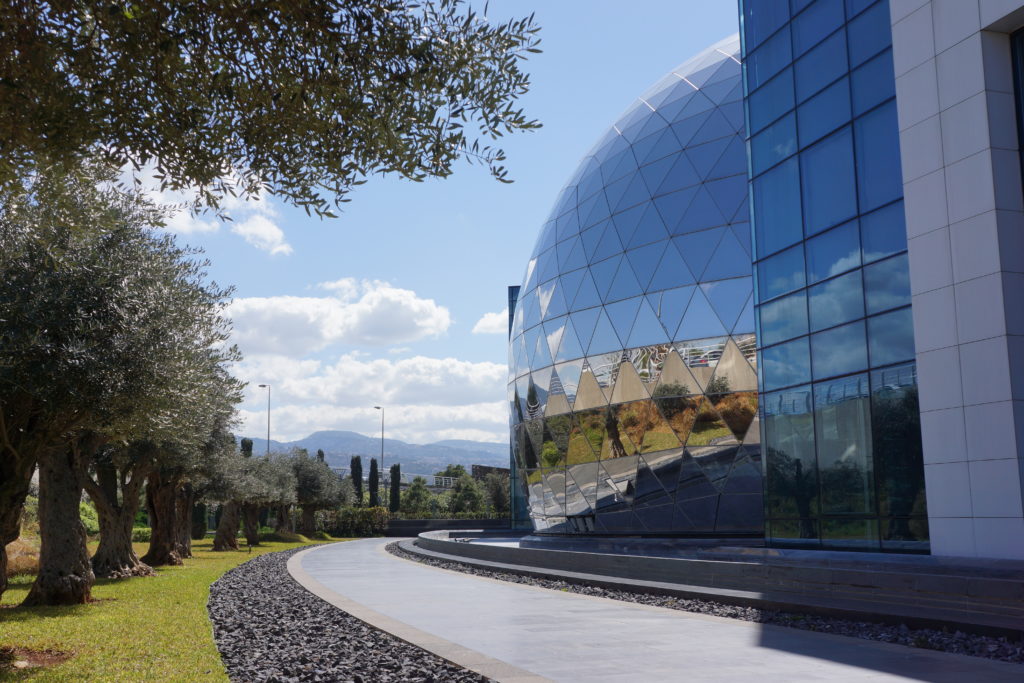
    On the way to airport, and just before you reach its entrance, you can’t but notice “The Dome”. This intriguing structure is part of the Middle East Airlines Training and Conference Center, where their staff get most of their training at. And since I have always felt curious to know how would it be like inside such training facility, I simply contacted someone I know there a couple of weeks ago to check if I can visit the center.

    A few days later, the the cool people at MEA quickly arranged an appointment for me to tour the facility and I was lucky to be accompanied by one of their engineers, a training manager, and of course a communications officer.

    I think people know very little about the things that happen behind the scenes at an airline, so here’s everything I saw at the 43,500 m2 MEA training center.

    Flight Training

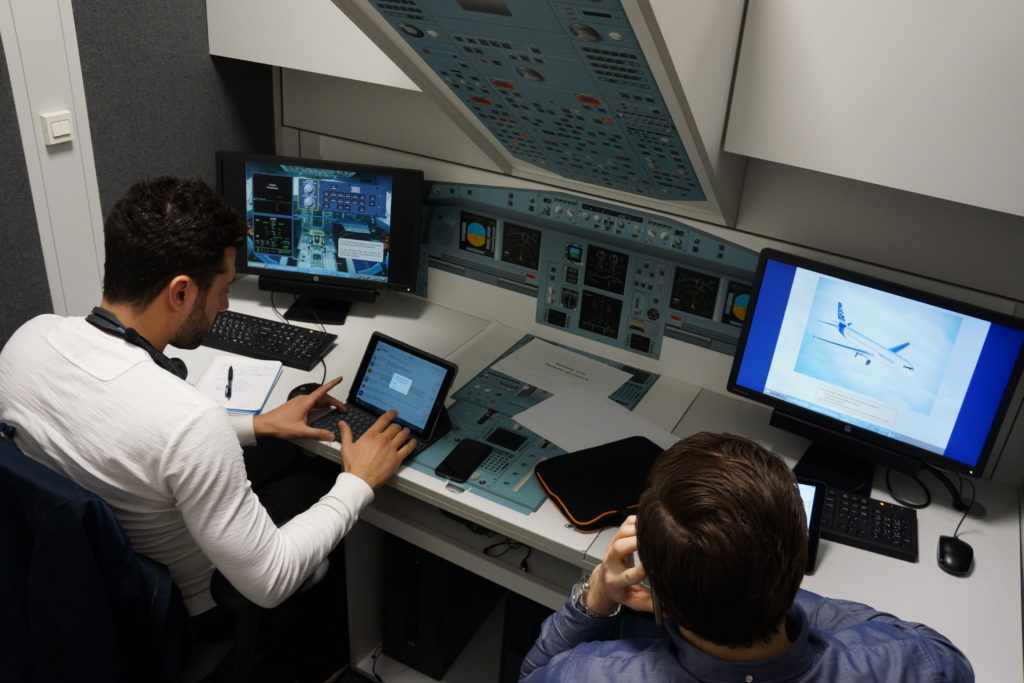
    First things first. When I initially asked MEA to visit their training center I was mostly interested in checking the equipment that help their pilots achieve their flight training, so the tour started by first visiting the available simulators.

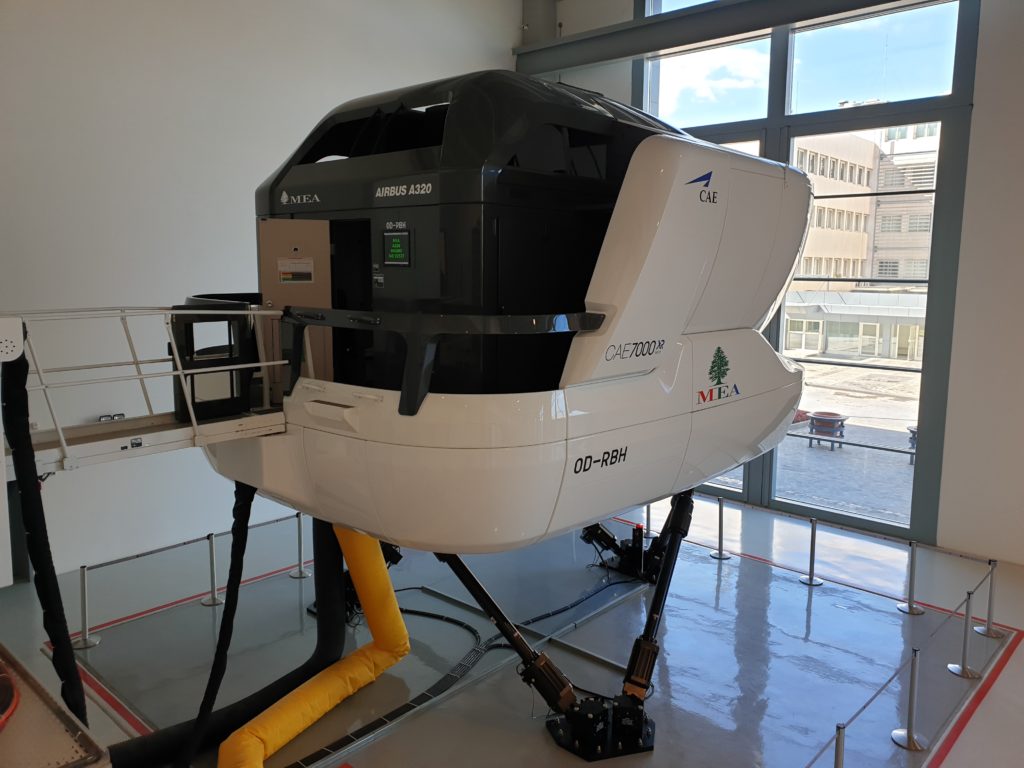
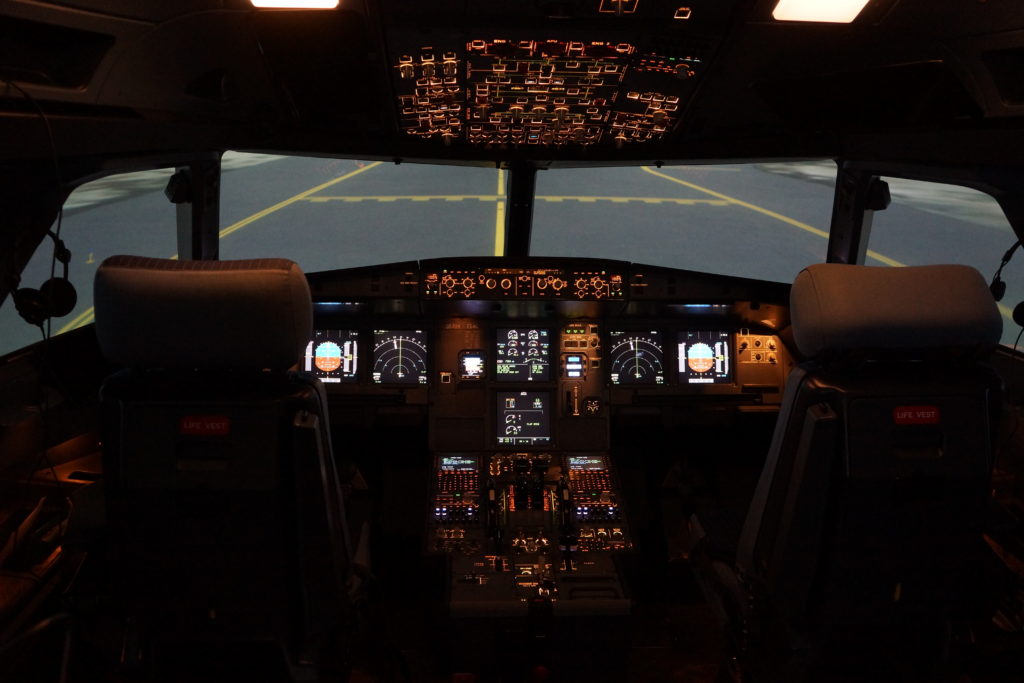
    MEA currently has a full motion Airbus A320 flight simulator, and two other fixed-base simulators. As you can see below, the full motion simulator gives the same feeling as being inside a real cockpit with the surrounding screens displaying very realistic scenes. It can simulate turbulences and any required weather condition, and once you’re inside you simply feel like you’re in a real flight due to all the movement feedback that the device provides. Training on this simulator counts like flying a real airplane for the pilot and it is the only one of its kind in the middle east, that’s why pilots from other airlines in the region come to Lebanon to train on it.

    There’s currently only 1 full motion simulator but the space where it is installed can actually accommodate 3 others. I heard they might soon be getting additional ones but I couldn’t figure out of what model series.

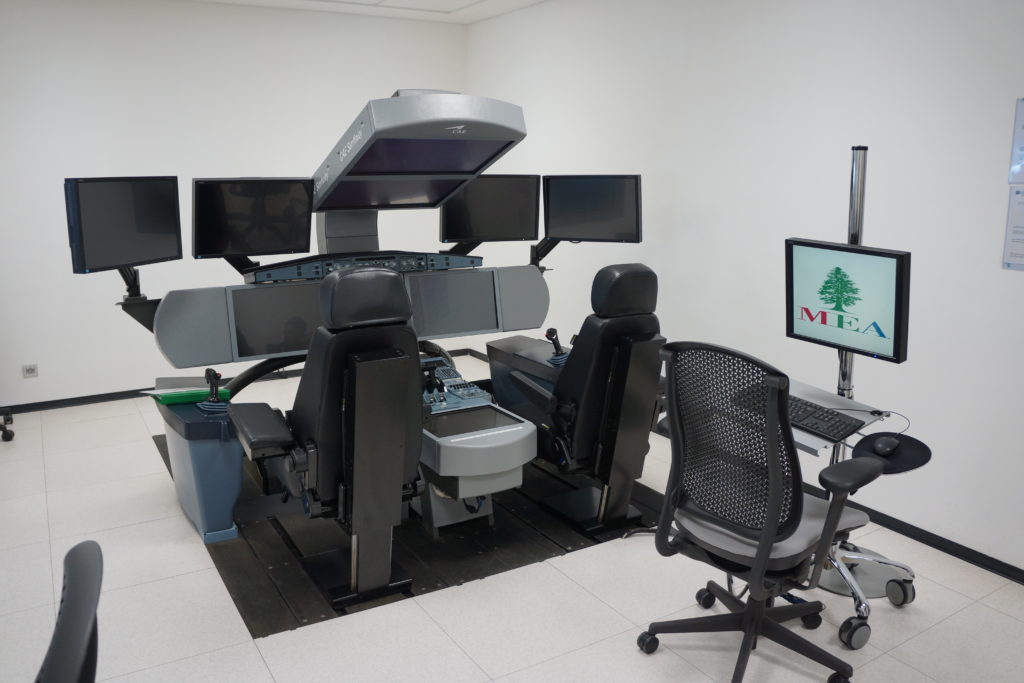
    The other two fixed-base simulator are for the Airbus A320 and A330 but they of course don’t feel as real as the one above.

    In addition to the simulators, the center has 20 stations for CBT (Computer Based Training) as well as a facility for pilot’s license renewal. As I was informed, pilots should undergo certain tests every 6 months to renew they licence and the MEA has a dedicated accredited facility for that.

    Cabin Crew Training

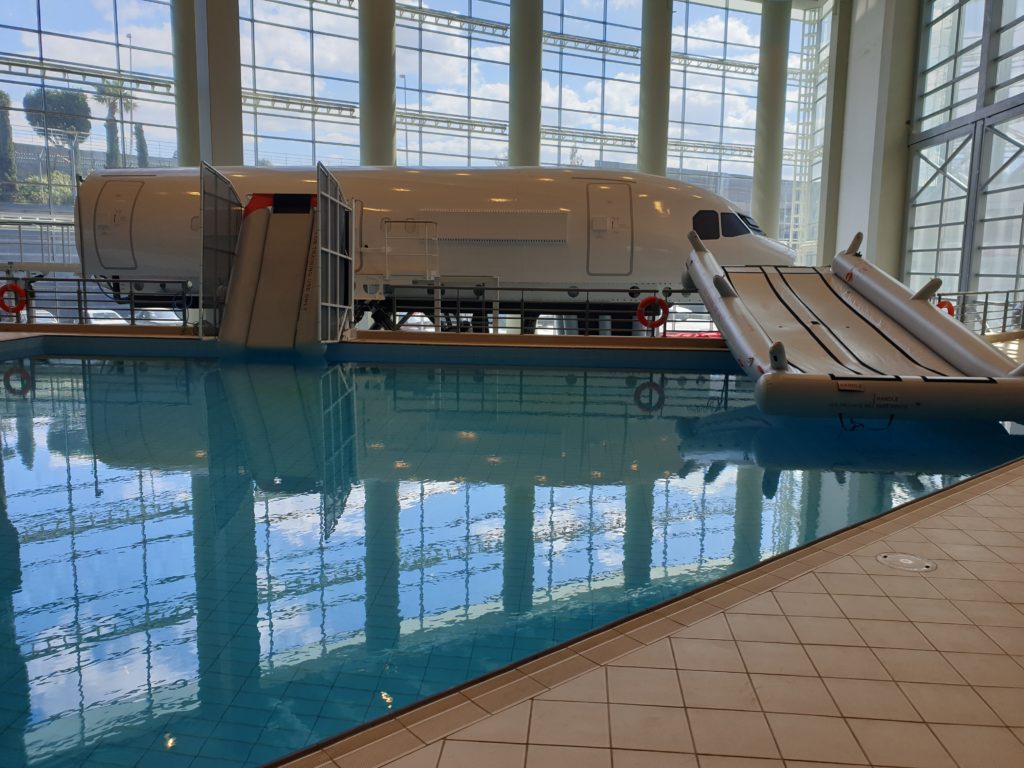
    My second stop was at the division where the cabin crew are trained. Again, real airplane models are used with simulators to train the crew on several evacuation scenarios including jumping into an adjacent swimming pool.

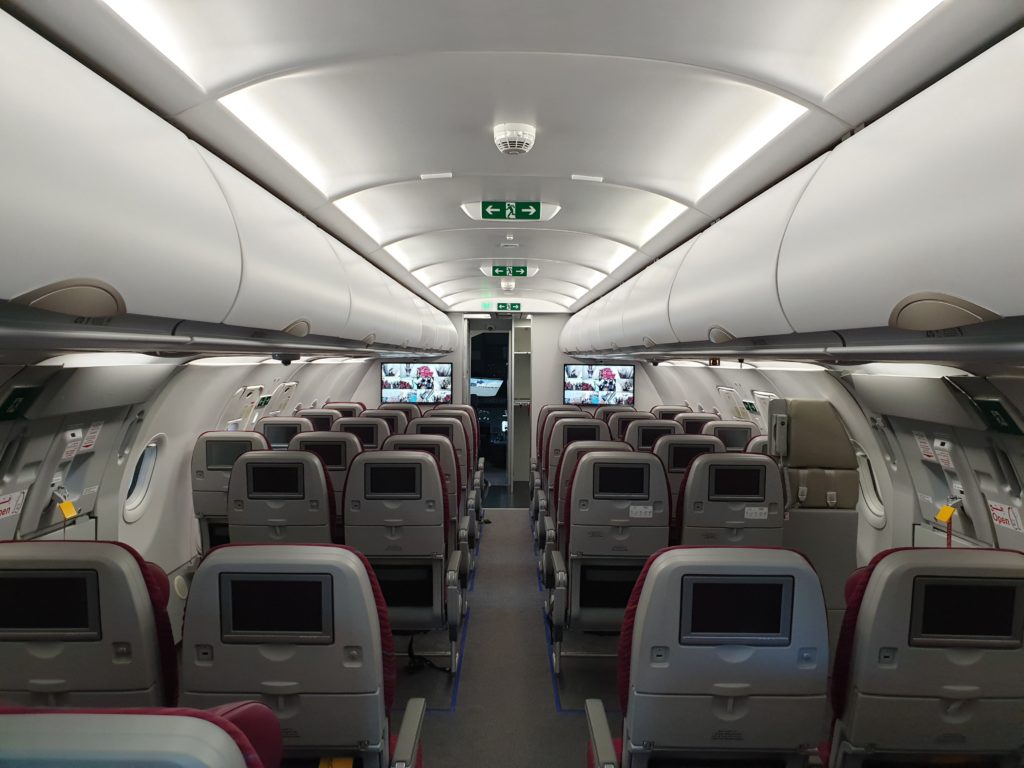
    The material inside the airplane mockup (photo below) are the same that are used in a regular Airbus, while the windows are in fact screens that can simulate different scenarios like a  fire, cracked window, emergency landing, etc… and according to each situation the crew is trained on a course of action. Note that the pilots get similar training  in order to be able to cope with incidents inside the cockpit.

    The Conference Center

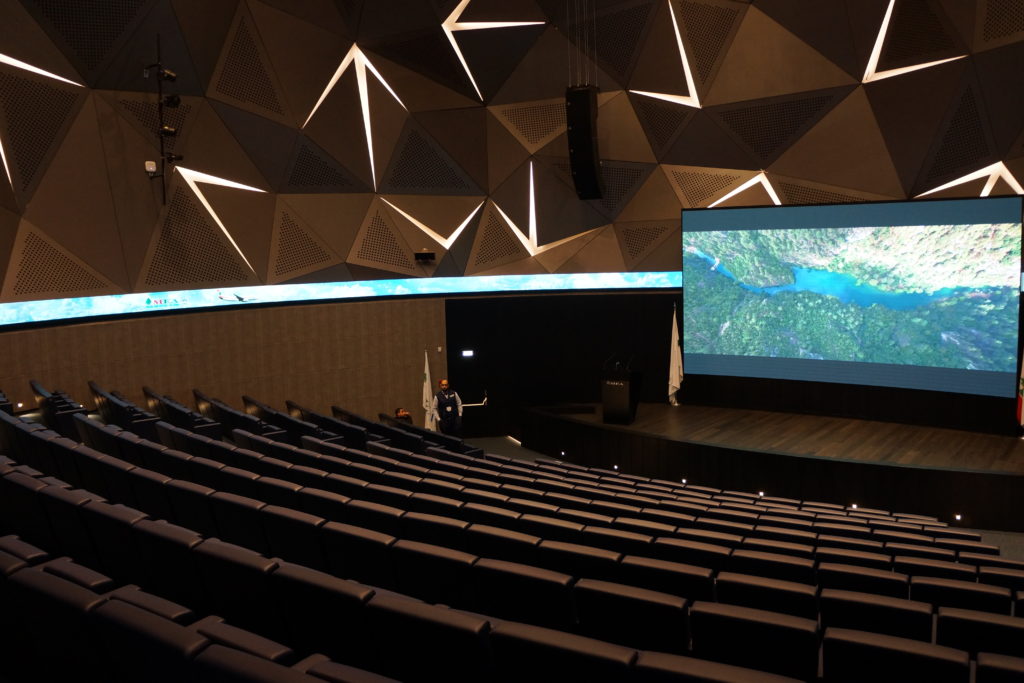
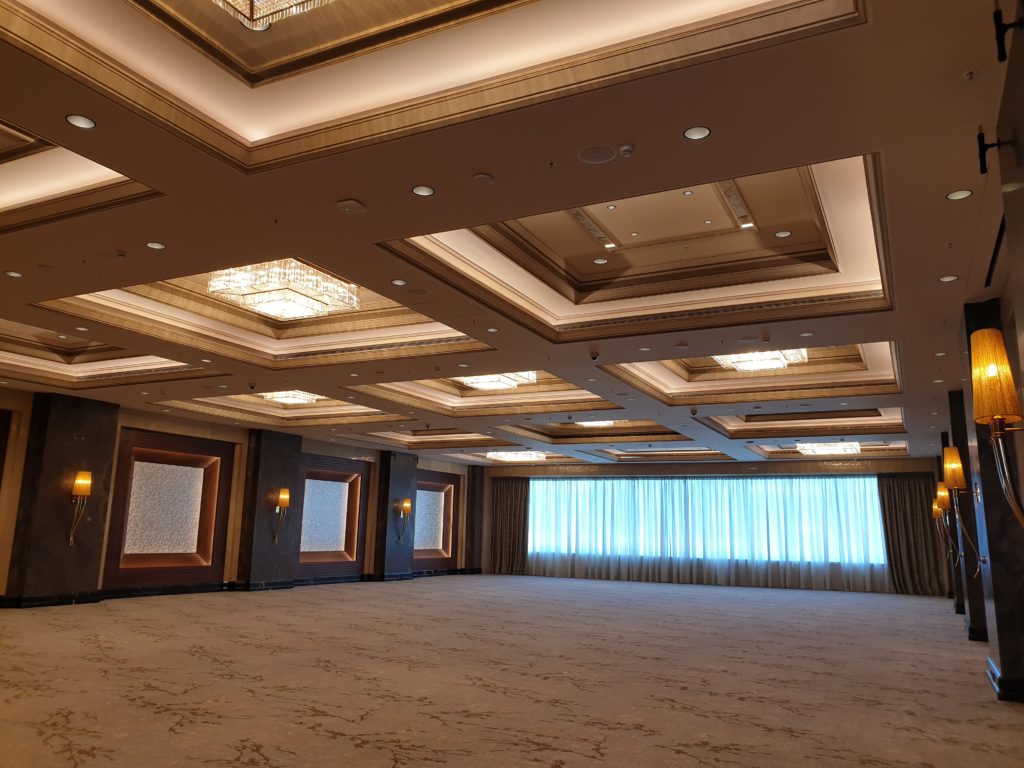
    Apart from the available training facilities, the building has many conference areas. People are probably familiar with the Riad Salaeh auditorium (also known as The Dome) since it shows in the news every now and then, but there’s also a much larger hall, The Mohammad Al Hout hall, which extends over an area of 680 m2 and has a very large attached kitchen to it in order to serve the events.

    The conference zones of the center can host various events and are therefore not for the exclusive use of MEA as they can be rented to any company willing to host an occasion or event.

    The same also applies to the training areas since other airlines in the region pay the MEA sometimes to use the center in order to train their staff. Some of the airlines that recently used the facilities are Cyprus Airways, Air India, and Turkish Airlines. So basically the whole center contributes in generating additional income to the MEA.

    All in all, I really enjoyed the tour and it felt cool getting exposed to the aviation world with all the info that experts were telling me. More importantly, it was also nice to know that a center of such caliber does exist in Lebanon and serves regional airlines from neighboring countries.

  • Adana – Shopping In Turkey Now Made Easier

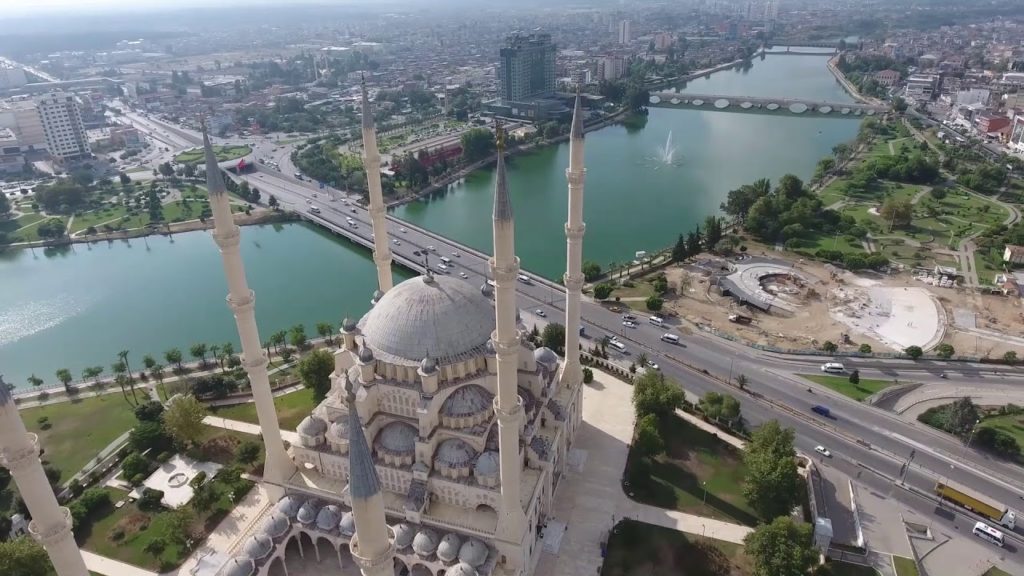
    Wings of Lebanon airline has always been known for operating seasonal flights to neighboring countries and European destinations, and one of destinations they have been heavily promoting lately is Adana is Turkey. I was invited to take part in one of their media tours in the city last week and I believe the trip is totally worth it for one reason: SHOPPING.

    Although Adana is a nice city with a good feel, it actually has little to offer as a touristic place since it doesn’t have much attractions like Istanbul does for example. However, its proximity to Beirut and the cheaper prices you find there for clothing products simply qualifies it as a shopping heaven.

    Adana Vs. Istanbul

    I’m comparing the two cities because most people who visited Turkey landed in Istanbul and are used to the shopping experience there.

    First of all the fight to Adana takes around 45 minutes, and it has a quite similar climate to Beirut as opposed to the freezing temperatures you experience during this time of year in Istanbul. Moreover the airport is only ~10Km away from the city center so you can basically start your journey there almost the minute you touch down. On the other hand, the airports in Istanbul are 1 hour away from the center.

    With regards to product prices, all those who visited Istanbul know about the good deals they there get when shopping, but Adana is even cheaper simply because it isn’t much touristic. I felt like clothing items are cheaper by at least 25% than Istanbul, and the price difference from Beirut absolutely makes up for what you pay for the ticket price and even much more.

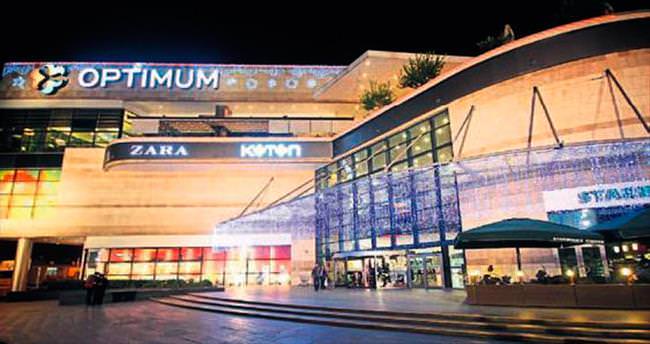
    The main two malls for shopping in Adana are Optimum and M1, aside from the street shops that you can of course find everywhere.

    Pharmaceuticals

    In case you don’t know it yet, pharmaceuticals cost 50% less than what you pay here in Lebanon, and some people I know have totally given up on buying their chronic medications from the local pharmacies and are instead relying on people going to Turkey to get them their supplies.

    This is of course one more reason that makes your trip very cost effective.

    Food

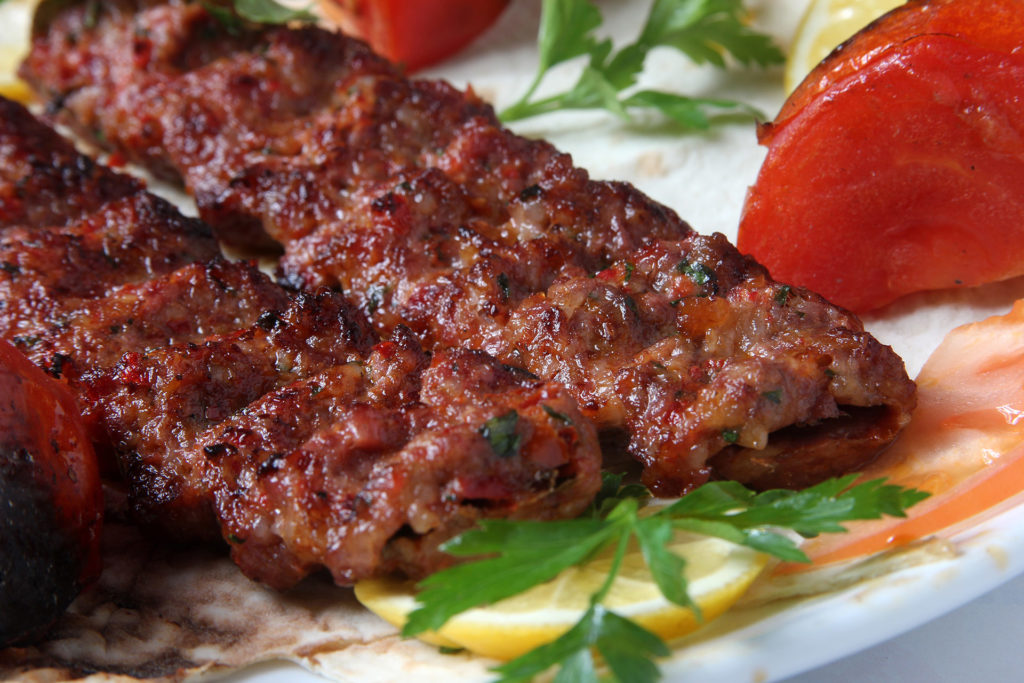
    Just like almost everywhere else in Turkey, Kebab is quite popular in Adana and the city is famous for its Adana Kebab which is a wider version of the regular Kebab with unique flavors. Bottom line, meat lovers will definitely not going to be disappointed.

    Accommodation

    Hotels are also quite cheap compared to other cities, and you can get a booking at a five star hotel with excellent facilities for no more $80-90 / night.

    Do more than shopping!

    Even though I mentioned that Adana has little to offer in terms of touristic attractions. You can still definitely do more than shopping there by taking a train to a nearby coastal city called Mersin.The trips costs $2-3 and takes 1 hour.

    So you can basically book 3 nights for example, spend 1 in Adana to do all your shopping, and then head to Mersin to chill by its waterfront and enjoy the nightlife there.

    Budget

    Nakhal is currently offering 3 night packages for New Year starting $285 and of course less after that period. The flight schedule on specific days makes it also possible to simply go in the morning do all the shopping and then come back in the afternoon during the same day.

    For more information about the packages and flights schedule you can check www.nakhal.com or call their experts on 01 389 389.

  • Middle East Airlines Seals The Deal for 4 Airbus A330-900neo Aircrafts

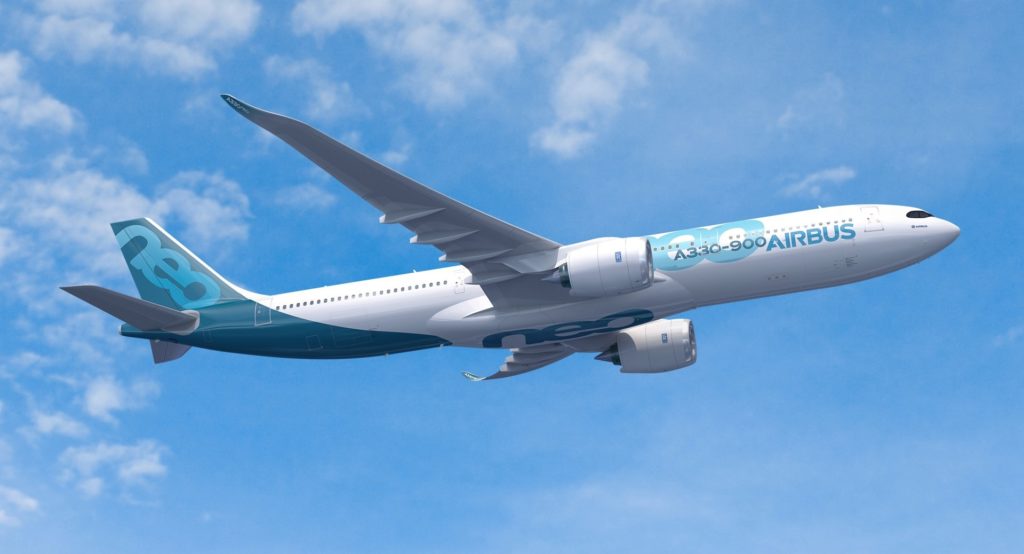
    As part of its wide body fleet renewal, Middle East Airlines has decided to purchase four new and two option Airbus A330-900neo powered by Rolls-Royce Trent 7000 engines due to deliver in 2021. And just today, a contract was signed with Rolls-Royce to provide support for the Trent 7000 engines powering the new fleet.

    The contract was signed during the Lebanon-UK Business and Investment Forum in London by MEA Chairman Mohamad El-Hout and Rolls-Royce Chairman Ian Davis in the presence of Prime Minister Saad Hariri and the UK Minister of State for International Development and Minister of State for the Middle East, Alistair Burt.

    One of the things I love about Middle East Airlines is that they are always committed to keep their fleet up to date by retiring their old aircrafts once they accomplish 12-13 years of service, and today’s step goes inline with this strategy.

  • First Lebanese Pilot Saadeddine Dabbous Passes Away at 92

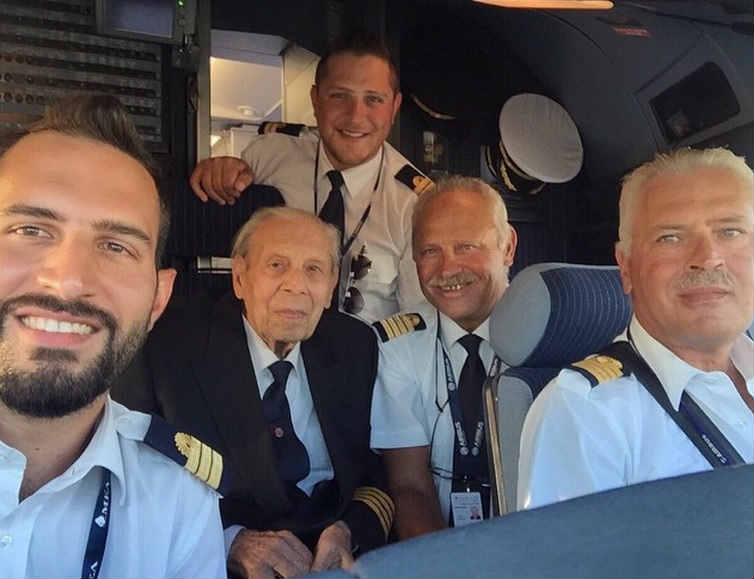
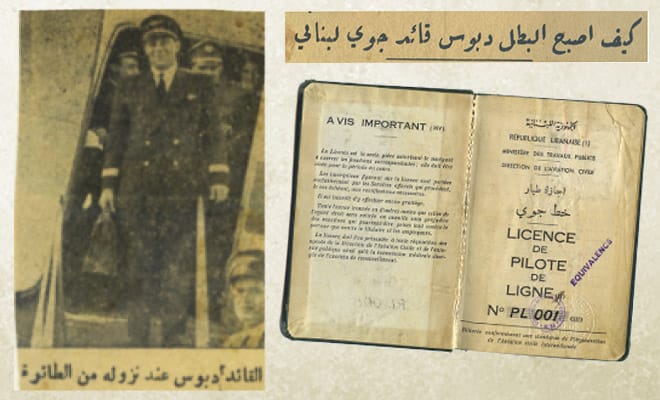
    Two days ago, Captain Saadeddine Dabbous who was the first Lebanese pilot and eventually the first Lebanese ever to fly a Middle East Airlines plane in 1952 passed away at 92 years old leaving behind two proud generations of airline pilots.

    Captain Dabbous served Lebanon’s national carrier for around 40 years and his story of becoming a captain is rather interesting since he originally started as an accountant with MEA in 1947. However, two years after that the company aimed to hire Lebanese pilots which motivated Dabbous to sign up for one of the training programs.

    Four years later, following the training he attended abroad and after logging 5,000 flight hours as a co-pilot, he made his first flight as a captain from Cairo to Beirut in 1952 and the event got a lot of media attention back then, and he eventually kept serving in his position until his retirement in 1985 and was also honored by the Lebanese presidency for his career. Later on his two sons grew up to become pilots at the Middle East Airlines, and then two of his grandchildren also followed the same path and currently serve as co-pilots with the same airlines.

    May his soul rest in peace.

  • MEA is Offering Mile Rewards for Online Check-in

    I was just checking the MEA website for ticket prices now when I noticed they are currently offering 1,000 bonus miles every time you check-in online using their website or the mobile app!

    The offer is valid till September 16th and miles will be credited to your account at the end of the promotion period. I personally always make sure to check-in online because some airlines assign a dedicated bag drop line to those who do and it is usually less crowded that the normal line, moreover you get your papers processed much faster.

    So if you are already a member of their Cedar Miles program or that of any of their partners then make sure to not miss the opportunity.