Lebanon’s national carrier, Middle East Airlines (MEA), has officially turned 80 years old, and what a journey it’s been! Eight decades of highs and lows, turbulence and triumphs, all tied together by one constant: the unmistakable Lebanese spirit of perseverance.
From its humble beginnings in 1945 to its transformation into a modern regional leader, MEA’s story mirrors Lebanon’s own, full of challenges, comebacks, and an unshakable pride that never stops flying.
From Beirut’s Golden Age to Global Recognition
MEA was founded in 1945 by Saeb Salam, with support from BOAC (what we know today as British Airways). With just a few aircraft, the airline began connecting Beirut to nearby capitals like Damascus, Cairo, and Nicosia, before quickly expanding to Europe and beyond.
By the 1960s, MEA had become one of the Middle East’s most respected airlines. The company’s jets were sleek, the service was world-class, and Beirut’s airport buzzed with energy. MEA didn’t just connect cities, it connected cultures. Flying MEA was synonymous with elegance and Lebanese hospitality.
But as we know, Lebanon’s golden age was soon interrupted.
Surviving the Storm: MEA During the Civil War
When the Lebanese Civil War erupted in 1975, MEA faced unimaginable challenges. Beirut Airport was hit repeatedly, aircraft were destroyed on the ground, and normal operations became impossible.
Yet, MEA never disappeared. While many other airlines might have gone bankrupt or relocated for good, MEA adapted. The company set up makeshift offices, re-routed flights through foreign airports, and did whatever it took to keep Lebanon connected to the world, even if it was just a few destinations at a time.
Through those 15 years of chaos, MEA became a symbol of national endurance. The airline didn’t just survive the war, it embodied Lebanon’s refusal to give up.
Rebuilding the Dream: The Mohamad El-Hout Era
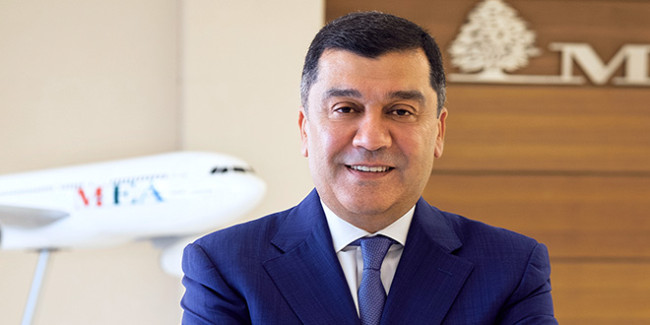
When peace finally returned in the early 1990s, MEA was in rough shape, financially drained, overstaffed, and flying an aging fleet. The company was in desperate need of leadership and a clear vision. That’s when Mohamad El-Hout stepped in.
Appointed as Chairman and Director General in 1998, El-Hout faced what seemed like an impossible task: rescuing a national airline at a time when the country itself was struggling to rebuild.
What followed was nothing short of remarkable.
El-Hout led a bold restructuring plan that focused on modernization, efficiency, and sustainability. Under his leadership:
- MEA streamlined its operations, cutting unnecessary costs and optimizing staff while preserving jobs wherever possible.
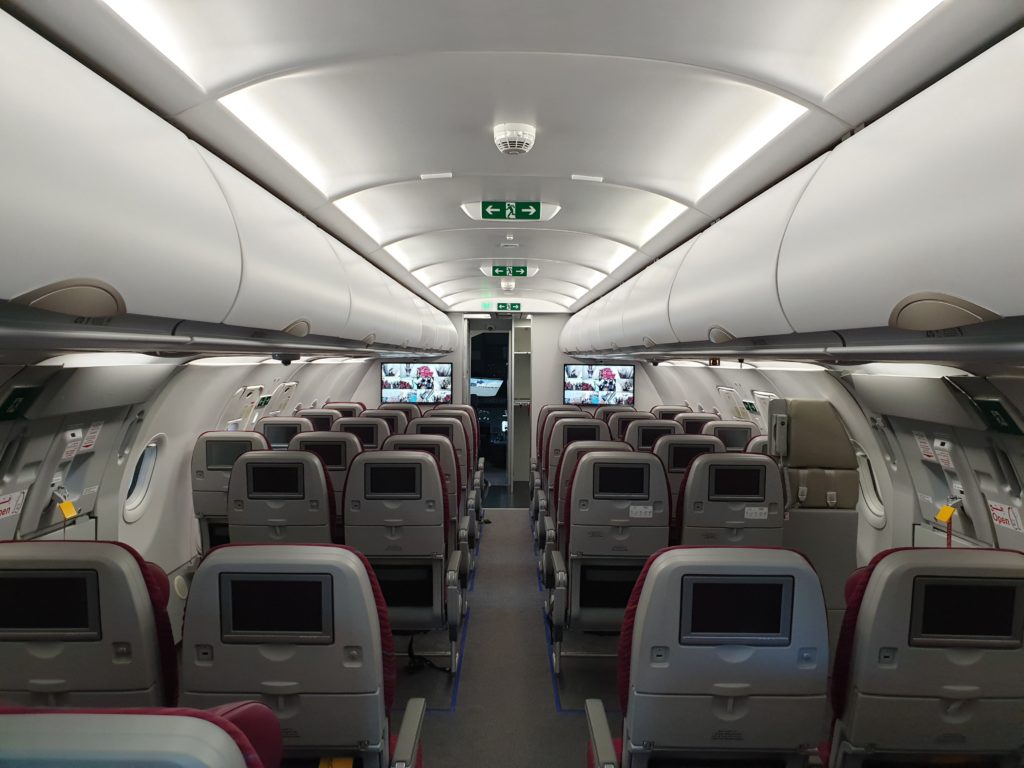
- The fleet was completely renewed, moving to a modern all-Airbus lineup, safer, more efficient, and environmentally friendly.
- Service quality was overhauled, returning MEA to its reputation for Lebanese hospitality and professionalism.
- In 2012, MEA joined the SkyTeam Alliance, alongside airlines like Air France, KLM, and Delta, a milestone that reestablished Beirut as a respected international hub.
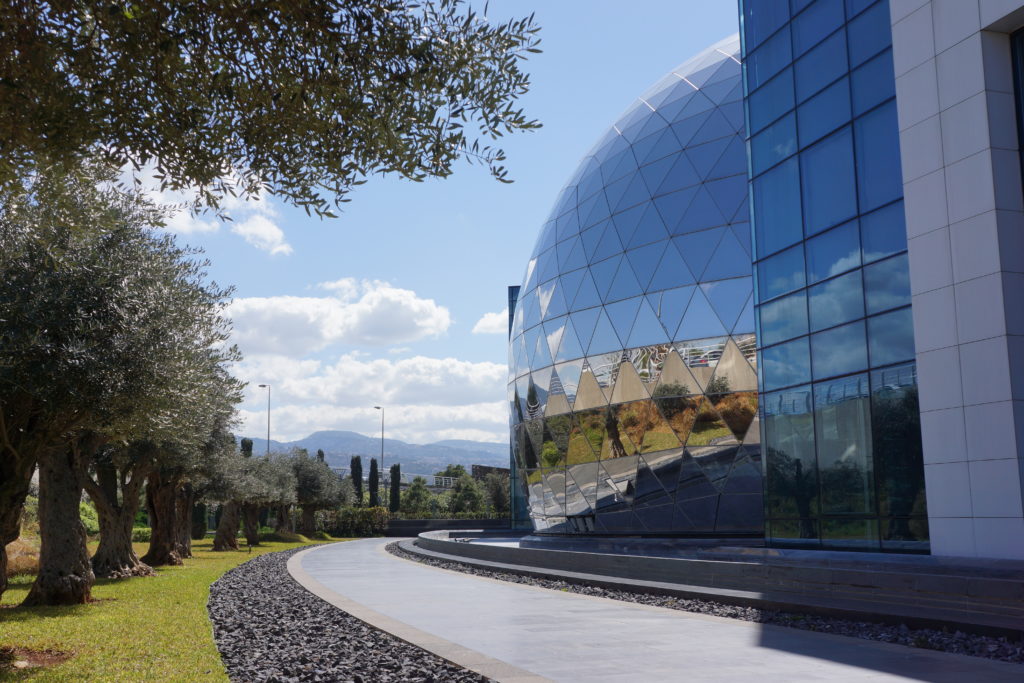
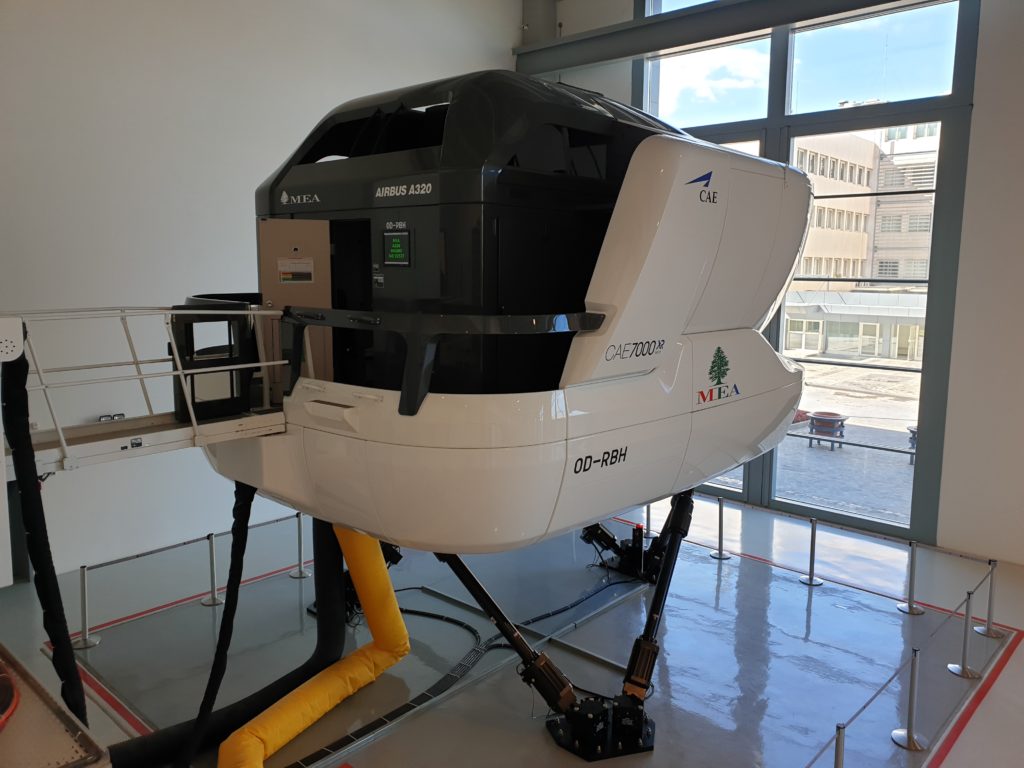
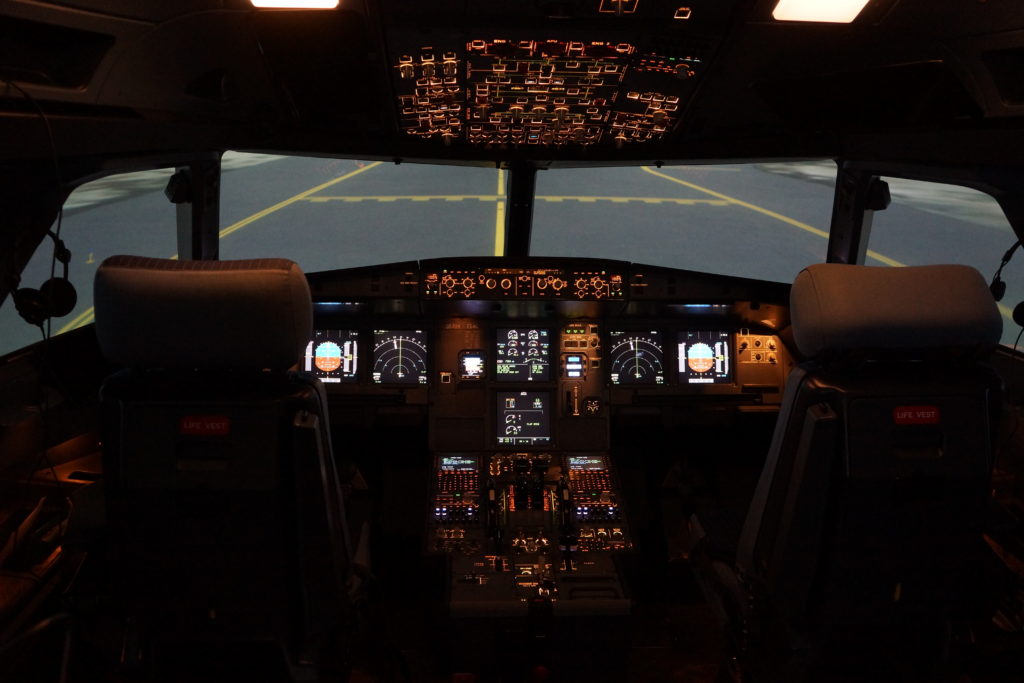
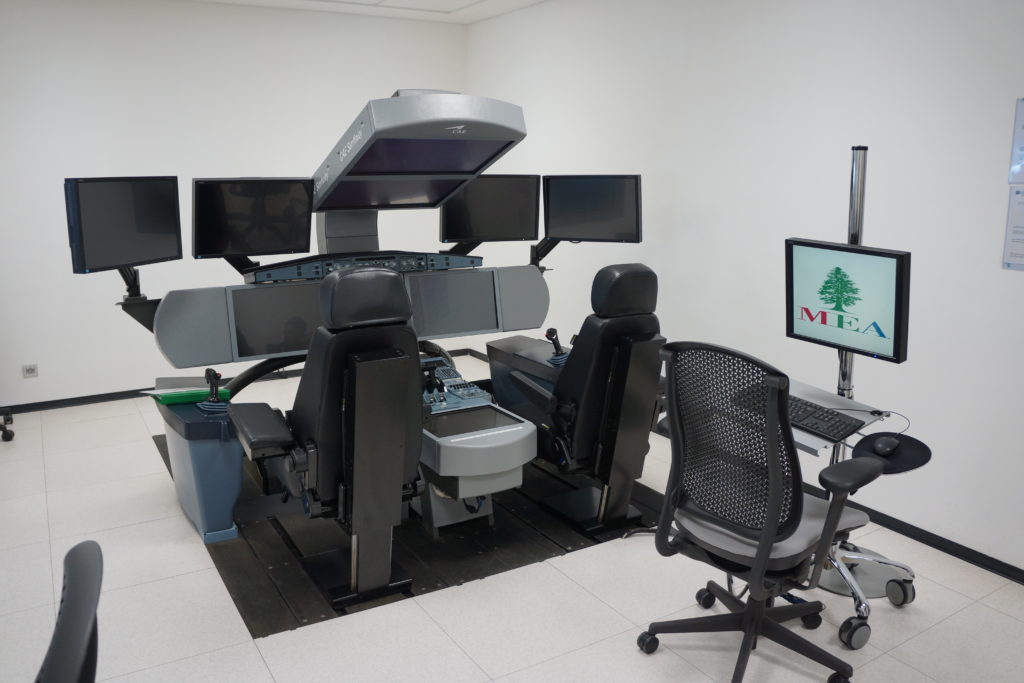
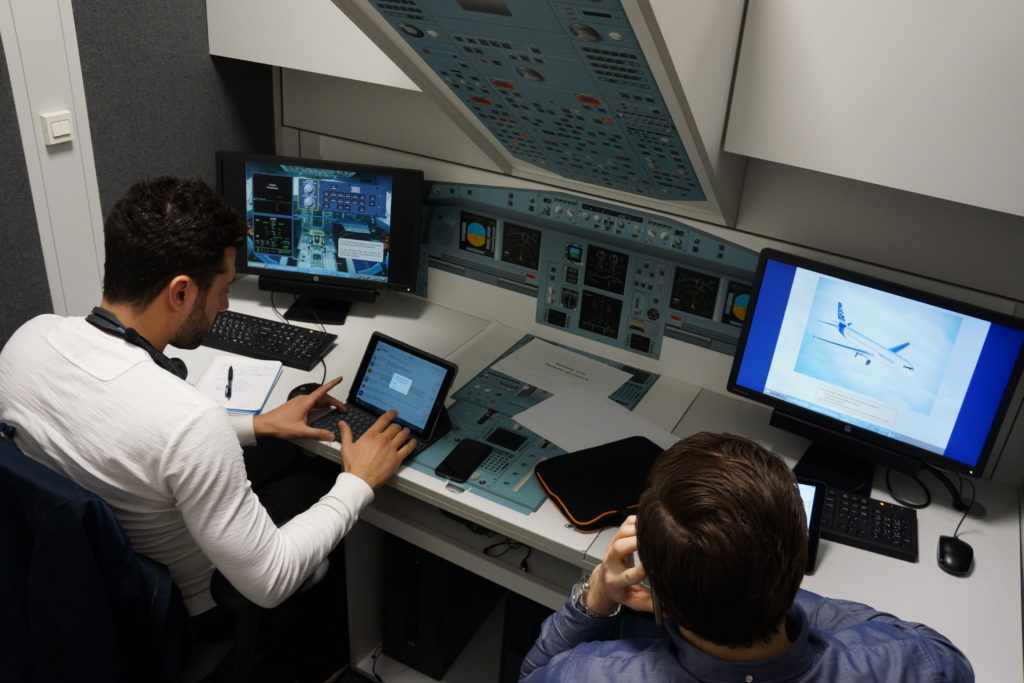
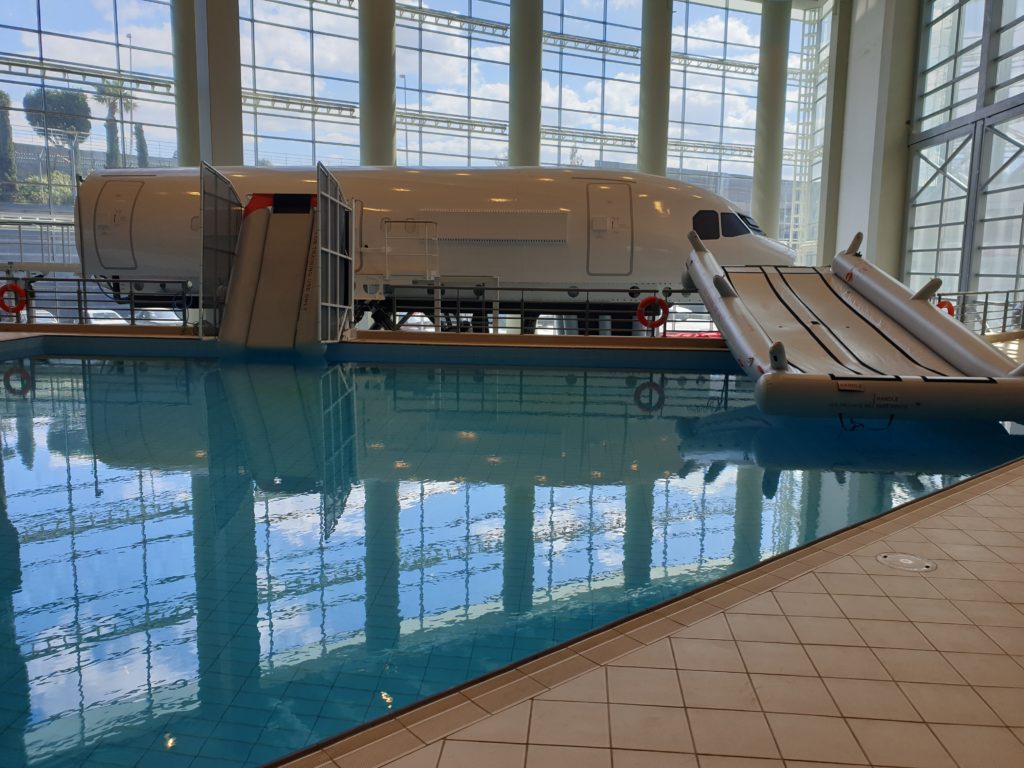
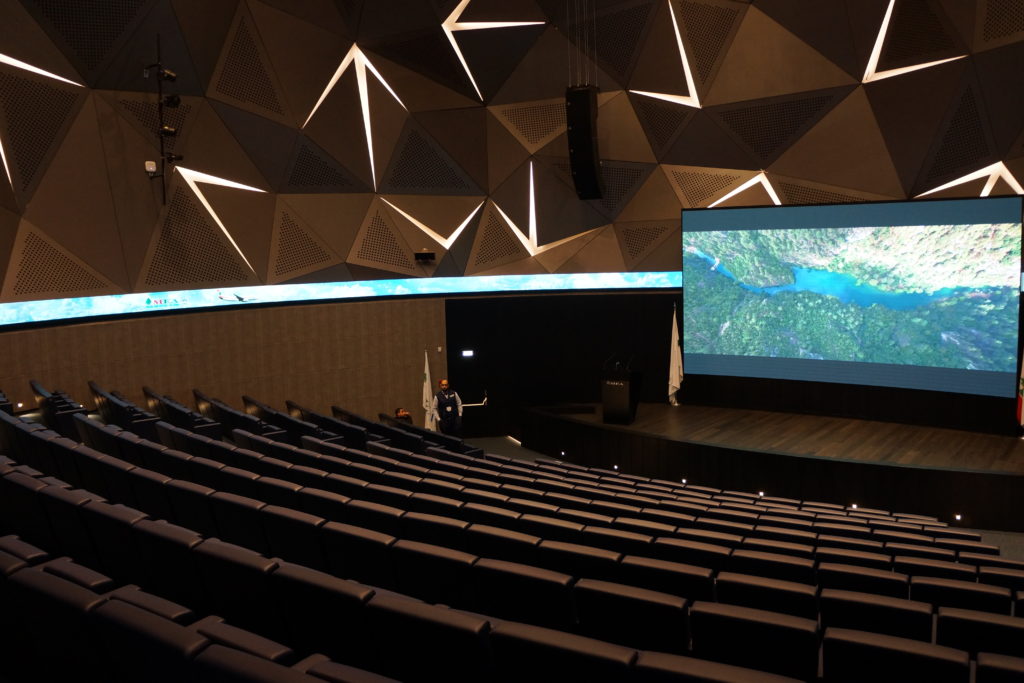
- The company also invested in a state-of-the-art training center, new headquarters, and the elegant MEA Cedar Lounge at Beirut-Rafic Hariri International Airport, now considered one of the best in the region.
Even as Lebanon entered one crisis after another, political instability, economic collapse, a pandemic, and even the Beirut Port explosion, El-Hout’s steady leadership kept MEA flying. While other national institutions struggled to survive, MEA managed to stay operational, profitable, and proudly Lebanese.
The Cedar That Refuses to Fall
MEA’s resilience isn’t just history, it’s still happening.
During the 66 Days War in 2024, when tensions and airstrikes struck dangerously close to Beirut-Rafic Hariri International Airport, MEA once again proved its commitment to Lebanon. Despite damage in nearby areas and repeated security scares, the airline continued to operate, safely evacuating passengers and maintaining vital connections with the outside world.
It was a powerful reminder that MEA isn’t just a business, it’s a lifeline. When others pause, the Cedar keeps flying.
Eighty Years Later: The Pride of Lebanon
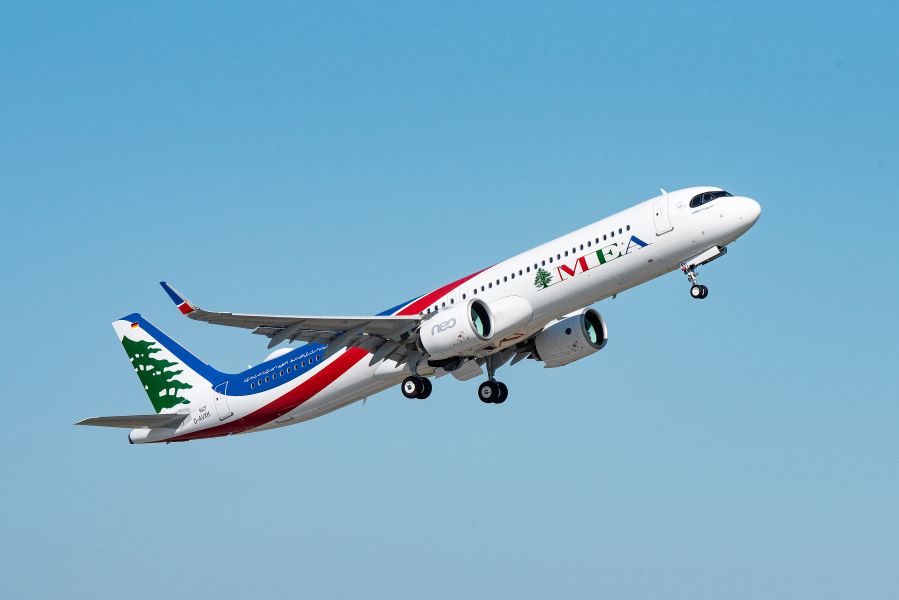
Today, MEA operates one of the youngest and most modern fleets in the Middle East, serving destinations across Europe, Africa, and the Gulf. Its aircraft, with their blue-and-white livery and proud Cedar tree, remain an emotional sight for many Lebanese traveling abroad.
Because for us, MEA isn’t just an airline. It’s home in the sky.
Every takeoff carries stories of reunions, migrations, returns, and new beginnings. Every landing in Beirut feels like coming back to warmth, chaos, and heart.
As MEA celebrates 80 years of flying, we’re reminded that no matter how many storms Lebanon faces, the Cedar still finds a way to rise above the clouds.
So here’s to Middle East Airlines, and to the people behind it, especially Chairman Mohamad El-Hout, who turned resilience into strategy and crisis into progress.
May the next 80 years be smoother, brighter, and as proudly Lebanese as ever.