+961

A Lebanese Blog

Tag: chouf

  • The Chouf Cedar Reserve: Lebanon’s Living Treasure in the Mountains

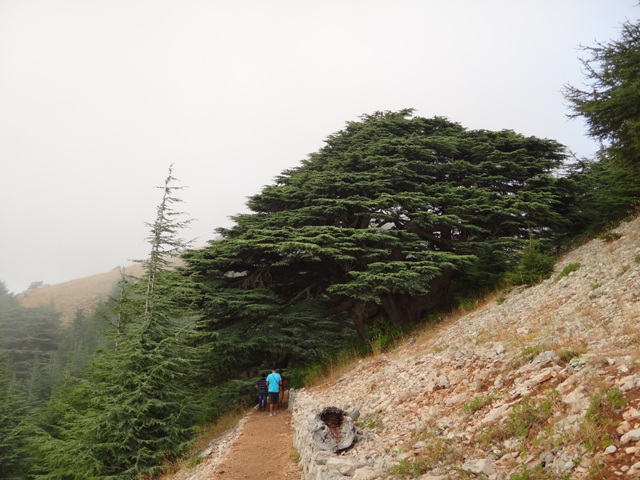
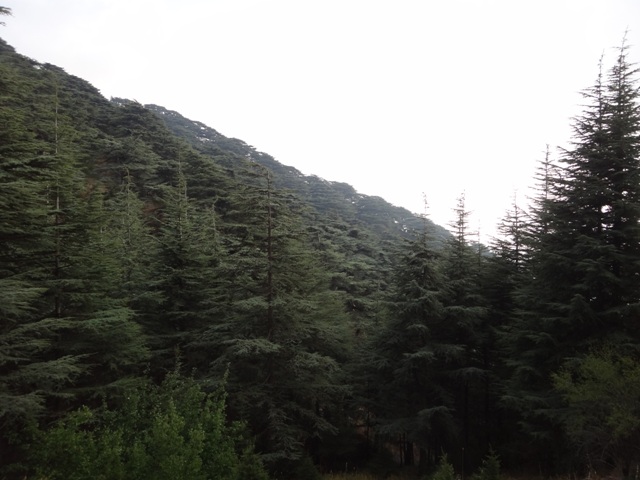
    If there’s one place that captures the soul of Lebanon, it’s the Chouf Cedar Reserve, a sanctuary of ancient trees, crisp mountain air, and timeless heritage. Nestled between the districts of Barouk, Maasser el Chouf, and Ain Zhalta, this reserve isn’t just a natural escape; it’s a piece of our national identity, quietly standing guard over centuries of history.

    A Forest Older Than History Itself

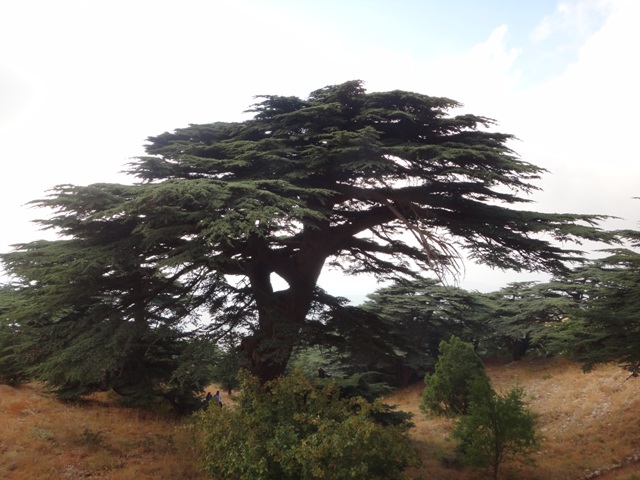
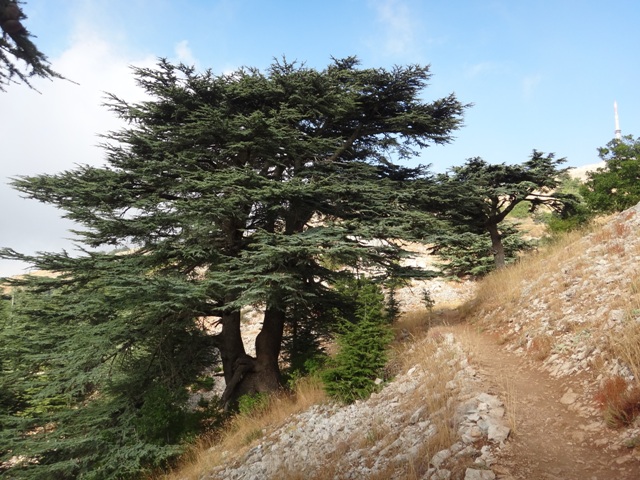
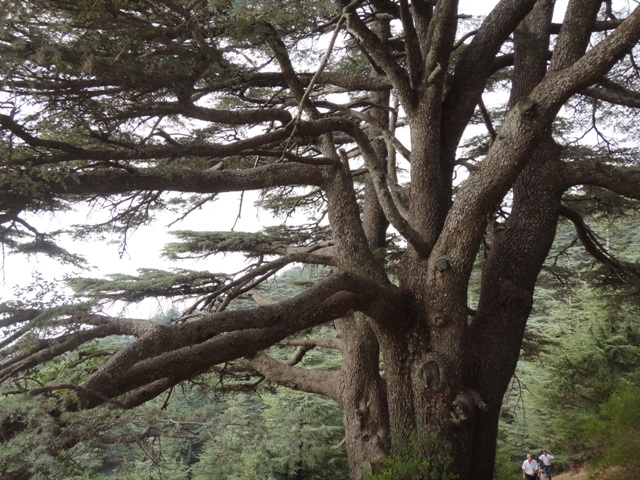
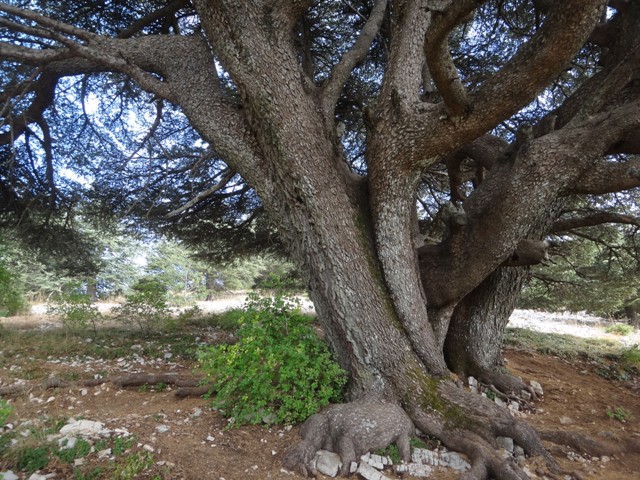
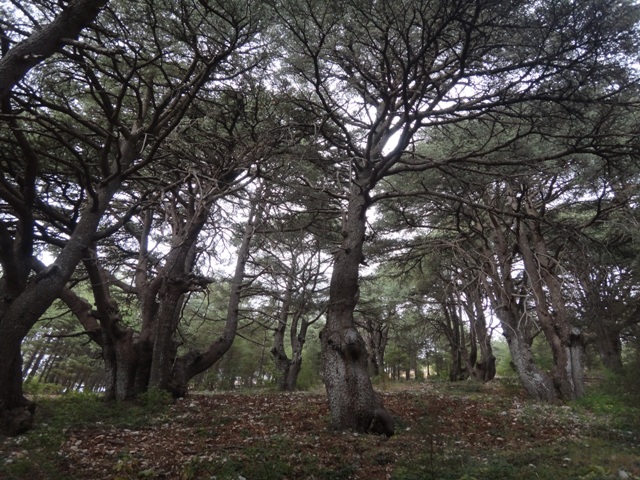
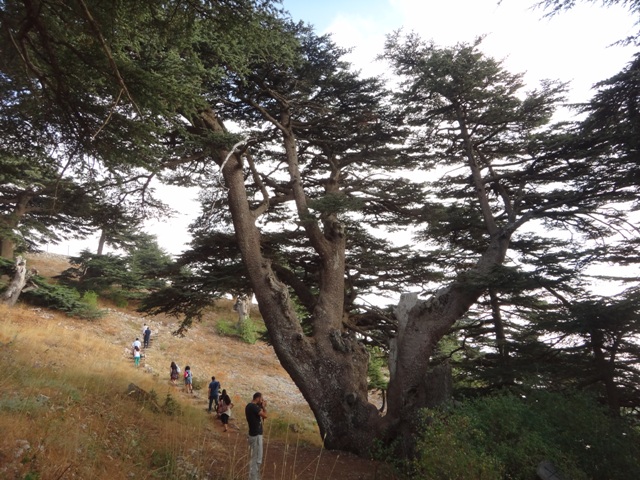
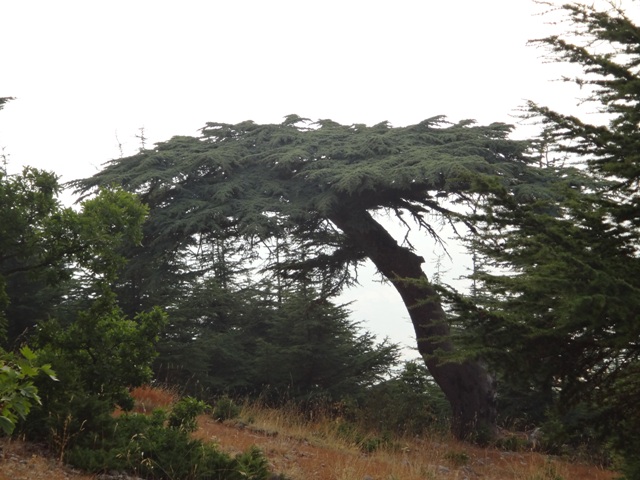
    The Chouf Cedar Reserve is home to around 25% of Lebanon’s remaining cedar forests, making it the largest nature reserve in the country. Some of its trees are believed to be more than 2,000 years old, dating back to the era when Phoenician ships were built using this very wood. These are not just trees, they are silent witnesses to the rise and fall of civilizations, the echo of ancient hymns, and the scent of eternity itself.

    Walking through the reserve, especially in Maasser el Chouf, feels like stepping into another world. The air is cooler, the wind carries the soft hum of nature, and the sight of those massive cedar trunks against the backdrop of snow-tipped mountains is something that humbles even the most city-hardened soul.

    A Model for Eco-Conservation in Lebanon

    Established in 1996, the reserve covers over 550 square kilometers and represents one of Lebanon’s greatest environmental success stories. Managed by the Al-Shouf Cedar Society, it’s a model of community-led conservation, where local villages play a vital role in protecting biodiversity and promoting eco-tourism.

    What’s impressive is how the project balances preservation with livelihood. Locals produce organic honey, rose water, and traditional jams, all sourced sustainably from the area. It’s proof that protecting nature doesn’t mean disconnecting from it, it means finding harmony with it.

    Hiking Through History

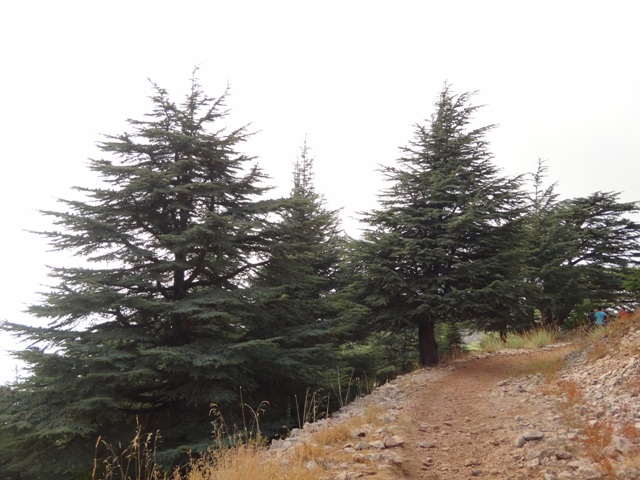
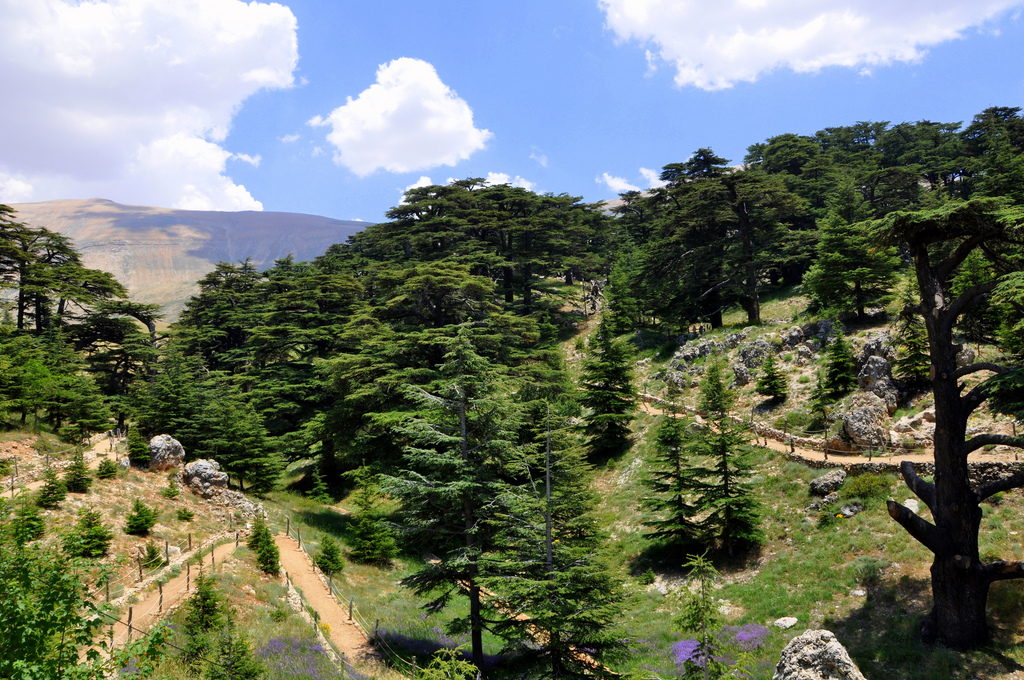
    For hikers and nature lovers, the reserve offers a network of well-marked trails that stretch over 70 kilometers. Whether you’re an experienced trekker or just looking for a peaceful weekend walk, you’ll find a route that suits your pace.

    One of the most rewarding experiences is hiking to the summit of Barouk Mountain, where you can see the entire Beqaa Valley on one side and the Mediterranean Sea on the other. On a clear day, you can even catch a glimpse of Mount Hermon shimmering in the distance.

    The Symbol of a Nation

    The cedar tree, proudly featured on the Lebanese flag, is more than just a national emblem, it’s a spiritual symbol of resilience. Despite centuries of deforestation, conflict, and neglect, these trees still stand tall. And the Chouf Cedar Reserve is the strongest reminder of that endurance.

    It’s no coincidence that the reserve has become a place of quiet pilgrimage for Lebanese from all walks of life. Whether you go there to hike, meditate, take photos, or just breathe, the feeling is the same: a reconnection to something pure and enduring — something that reminds us of what Lebanon still has to offer when we take care of it.

    Planning Your Visit

    • 📍 Where: Between Barouk, Maasser el Chouf, and Ain Zhalta — about 2 hours from Beirut.
    • 🕓 Best Time to Visit: Spring and early autumn, when the weather is cool and the landscapes are lush.
    • 💡 Tip: Stop by Maasser el Chouf village for traditional food and incredible panoramic views of the cedar forest.
  • Discover Lebanon: Top Hiking Trails to Explore

    Lebanon is packed with diverse and enchanting hiking routes that offer everything from spiritual valleys to serene forests and dramatic mountain summits. Here are some of our most beloved trails:

    1. Lebanon Mountain Trail (LMT)

    • Overview: A 470 km long-distance trail stretching from Andaket in the north to Marjayoun in the south, cutting through 76+ towns and villages with varied terrain.
    • Experience: Hike in segments or tackle the entire route, staying in charming guesthouses along the way.
    • Highlights: Traverse through Qadisha Valley and Cedars of God; explore side trails like Baskinta Literary Trail, Bkassine Pine Forest, or the Valley of Hell for dramatic landscapes and cultural depth.

    2. Qadisha Valley (Kadisha Gorge)

    • Why Go: A UNESCO World Heritage gem filled with cliffside monasteries and lush scenery—one of Lebanon’s most spiritual and scenic hikes.
    • Insider Tip: Stay at Karaz or Beit Mirna guesthouses in Ehden for easy access and local hospitality.

    3. Cedars of God & Bcharre Forest

    • Significance: Walk among ancient cedar trees that are symbols of Lebanese heritage—some dating back millennia.
    • Bonus: Combine with a visit to the Khalil Gibran museum in Bcharre for a cultural twist.

    4. Al Shouf Cedar Nature Reserve

    • Scope: The largest natural reserve in Lebanon at 550 km², hosting cedar forests, 200 bird species, and rich biodiversity.
    • Why Hike: Trails of varying difficulty weave through serene cedar groves, panoramic viewpoints, and abundant flora and fauna.

    5. Tannourine Reserve & Baatara Gorge (Balou’ Balaa)

    • Tannourine: Dense cedar forest and dramatic terrain—perfect for nature lovers.
    • Baatara Gorge: A jaw-dropping waterfall plunging 255 m into a limestone sinkhole—best experienced in spring when meltwater peaks.

    6. Baskinta Literary Trail

    • Trail Profile: A 22–24 km themed route celebrating literary figures like Mikhail Naimy and Amin Maalouf—combined with beautiful views of Mount Sannine.
    • Why It Stands Out: Blends cultural immersion with scenic hiking and even offers snowshoeing in winter.

    7. Bkassine Pine Forest

    • Landscape: Among Lebanon’s largest pine forests—ideal for peaceful walks Amid Jezzine and Niha.
    • Amazing Views: The 22 km trail from Jezzine to Niha offers sweeping views of the Mediterranean and lush valleys.

    8. Hidden Gems & Nature Trails

    • Chouwen Trail to Blue Lagoon: In Jabal Moussa, a shaded moderate hike ending in a turquoise swimming spot.
    • Bentael Nature Reserve: Near Byblos, this reserve offers 18 well-marked trails through pine-oak woodlands—great for families.
    • Mseilha Walkway: A relaxed, scenic path near Batroun, with views of the historic Mseilha Fort—beginners friendly.
    • Kfour Springs Trail: In Keserwan, a 6 km easy hike through multi-tree forests with coastal vistas—ideal for a nature break close to Beirut.
    • Iron Oak Forest, Akkar: A golden-tinged forest trail through towering iron oaks—beautiful at sunset.
    • Ouyoun Orghosh & Sawfar: Perfect autumn hikes—filled with fall colors, springs, and cultural immersion.

  • 5 Things to do in Lebanon

    null

    The Wall Street Journal compiled this list of five fun things to do around Lebanon in an article published yesterday.

    1. Visiting one of the vineyards in Batroun or Bekaa and do wine tasting.
    2. Sitting down at a Beirut couple’s table for a home-cooked meal.
    3. Visiting Mleeta museum in the south.
    4. Vising Moussa Castle in Chouf.
    5. Snowshoeing in the mountains.

    It’s good the articles mentions nothing about the nightlife in Beirut for a change! Anyway, I’m familiar with 4 out of the 5 things the author listed, but it’s the first time for me to hear about this couple in Beirut (Sylvia Khoury & Charles Ghorayeb) who welcomes visitors in their own apartment in Beirut and offer them home cooked dishes for the price of $20 per person, and $30 including wine. Has anyone heard about them before? I tried to look them up online but found nothing except what the article mentions that they previously used to organize tours around Lebanon for tourists.

    2. Sit down at a Beirut couple’s table for a home-cooked meal

    Sylvia Khoury and Charles Ghorayeb welcome visitors into their Beirut apartment for an evening of Lebanese food, wine and conversation. The couple, who formerly offered tailor-made tours of Lebanon to tourists, now focus on their home-kitchen venture. They serve dishes such as malfouf (stuffed cabbage leaves), shankleesh (ripened cheese) and makanek (little sausages). The food relies on seasonal staples that are grown in the couple’s garden in Damour, just outside the city. $20 per person, $30 with wine; to make a reservation, email Ms. Khoury at skhoury131@hotmail.com

    Would you give them a try?

  • Shouf Cedar Reserve

    I’ve always heard people talking about the Shouf cedar reserve, but I never knew it was really that nice until I visited it last weekend thanks to a couple of friends.

    We were originally planning a visit to Maaser El-Shouf village but then got tempted to continue further to the cedar reserve, the largest nature reserve in Lebanon containing 25% of the country’s cedars, and to our luck there was some festival ongoing in Maaser and shuttle service to and from the reserve was offered for free.

    Entrance tickets are at 5,000L.L, and once you’re inside you’ll get to choose among 3 hiking paths with different lengths and each showing you different parts of the reserve. We chose the shortest one, a 1.2Km walk that took around 25-30 minutes to complete with awesome views and feel. Definitely worth a visit especially if you’re showing some tourists around the country.

  • Beiteedine VS. Moussa Castle

    Here’s a funny fact:

    It costs you more money to enter Moussa castle (Entirely built by one man, Moussa Maamari) than to enter Beiteddine castle.
    For Moussa Castle you pay 10,000 L.L. to mainly see a large weaponry collection, while you pay 5,000 L.L. for Beiteddine to see a nice piece of history.

    Note that Moussa castle is a private property.

    I went to both places today, and it was very nice being in the Chouf area. Some photos coming soon 😉